HELP

使い方とお問い合わせ

さわる人体図/2026年11月16日

はじめに

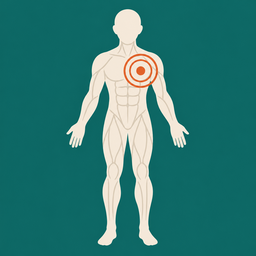
はじめて開くと、筋の図で「大胸筋はどれ?」を1つ押してみます。そのあと、どの試験の勉強かを選びます(はり師・きゅう師/あん摩マッサージ指圧師・柔道整復師・理学療法士・作業療法士・看護師、または経穴と要穴だけ・筋だけ・骨だけ)。その試験で問われるものが、いまの範囲になります。

「解く」のホーム

  • いちばん上の見出しを押すと、試験(範囲)を切りかえられます
  • カードは、いまの段階で変わります。忘れかけているものがあれば「忘れかけているもの」、なければ「範囲のつづき」、範囲を一周したら苦手な経絡・部位から「仕上げ」
  • 下のボタンで1回(10・20・30問。設定で決める)を始めます

1回の流れ

  • 「合谷(LI4)はどこ?」のような問題は、図の上でその場所を押します。2本の指で広げると大きくなります。押したら「こたえあわせ」
  • 経穴は押した所の近さで、筋と骨は押した部品で判定します。まちがえたときは、正解の所を緑の輪で出します
  • 「色の付いた筋は?」「この点の経穴は?」「上腕二頭筋の停止は?」「大腸経の原穴は?」のような問題は、4つから選びます
  • 一度当てた名前は、次から書いて答えます(設定で切れます)。漢字でも、読みのかなでも当たりです。分からなければ「わからない(答えを見る)」
  • 答えたあとは、名前・読み・部位・要穴・起始と停止などの中身が出ます。★ で印を付けられます
  • 途中でやめても、答えた問題までは記録に残ります

出し直しの順

まちがえたものは、次の1回で出し直します。当てたものは、つづけて当てた回数に応じて 3日 → 5日 → 10日 → 18日 → 32日 → 57日 → 102日 と間をあけて出します。まちがえると最初に戻ります。まちがえたものは「記録」のまちがいノートに入り、3回つづけて当てると「克服」で外れます。

「図」タブ

  • 上で層(筋・骨・経穴)と向き(前・後ろ・左・右)を切りかえます。押すと、その筋・骨・経穴のカードが出ます
  • 上の検索欄で、名前・読み・番号(「LI4」)・英語名で探せます
  • 「一覧」から、経絡ごとの経穴・部位ごとの筋と骨・要穴の表を開けます
  • 要穴の表は、マスを押すとめくれます。「全部隠す」「全部めくる」も
  • カードの「これを解く」で、その1つだけを解けます

VoiceOver

VoiceOver を使っているときは、図で答える問題が、文の4択に切りかわります。カードの中身は全部読み上げられます。

記録と機種変更

iPhone・iPad では、覚えぐあい・答えた記録・★を、あなたの iCloud で同期します。同じ Apple アカウントの iPhone・iPad で同じものが使え、機種変更しても残ります。Android では端末の中に置き、Android のバックアップに入ります。

図と中身の出どころ

  • 図は Z-Anatomy(z-anatomy.com。CC BY-SA 4.0)から描きました。Z-Anatomy は BodyParts3D(© The Database Center for Life Science。CC BY 4.0)をもとにしています。アプリの中の図も CC BY-SA 4.0 です
  • 経穴の部位は WHO/WPRO 標準経穴部位(2008)と、それに準じた日本の教科書と同じ事実を、筋の起始・停止・神経・作用は日本の解剖学の教科書と同じ事実を、それぞれ自分の言葉で書いています

お問い合わせ

ryo.tsuzukihashi@tsuzukit.com。どの経穴・筋・骨のどこがちがうかを書いていただけると、早く直せます。

HELP

Help & Contact

AnatomyTouch / November 16, 2026

Getting started

The first time you open the app, you try one question on the muscle figure ("Which one is pectoralis major?"). Then you choose your exam (acupuncture/moxibustion/anma massage, judo therapist, physical/occupational therapist, nurse, or acupoints only, muscles only, bones only). What that exam asks about becomes your current scope.

Study home

  • Tap the heading at the top to switch exams (scope)
  • The card changes with your stage: "About to forget" when items are due, "Continue the scope" otherwise, and "Final review" by weak meridian or region once you've gone through everything
  • The button at the bottom starts a round (10, 20 or 30 questions, set in Settings)

A round

  • For questions like "Where is LI4?", tap the spot on the figure. Spread two fingers to zoom. Then tap "Check"
  • Acupoints are judged by distance, muscles and bones by the part you tap. If you miss, the correct spot is circled in green
  • Questions like "Which muscle is highlighted?" or "Where does the biceps brachii insert?" are multiple choice
  • Names you've already gotten right are typed next time (you can turn this off). Kanji or kana reading both count
  • After answering you see the details. Tap ★ to star it
  • If you quit midway, the answers so far are kept

Review timing

Missed items come back in the next round. Correct items come back after 3 → 5 → 10 → 18 → 32 → 57 → 102 days as your streak grows; a miss resets it. Missed items go into the mistake notebook in Records and are cleared after 3 correct answers in a row.

Figures tab

  • Switch layer (muscles, bones, acupoints) and view (front, back, left, right) at the top. Tap to see a card
  • Search by name, reading, code ("LI4") or English name
  • Lists has acupoints by meridian, muscles and bones by region, and the key point table (tap a cell to reveal)

VoiceOver

With VoiceOver on, figure questions switch to text multiple choice, and every card can be read aloud.

Records and new devices

On iPhone and iPad, progress, history and stars sync through your iCloud. On Android they stay on the device and are included in Android backup.

Sources

  • Figures are drawn from Z-Anatomy (z-anatomy.com, CC BY-SA 4.0), which is based on BodyParts3D (© The Database Center for Life Science, CC BY 4.0). The figures in the app are also CC BY-SA 4.0
  • Acupoint locations follow the same facts as the WHO/WPRO Standard Acupuncture Point Locations (2008); muscle data follows Japanese anatomy textbooks. All text is written in our own words

Contact

ryo.tsuzukihashi@tsuzukit.com. Telling us which acupoint, muscle or bone looks wrong helps us fix it quickly.